

acid etched mirror glass
Understanding Industrial Vibration Pads A Comprehensive Overview In various industrial and manufacturing settings, vibration control is essential for maintaining equipment integrity and ensuring smooth operations. One effective way to mitigate excessive vibrations is through the use of industrial vibration pads. These pads serve as a crucial component in supporting machinery, minimizing vibrations, and enhancing overall productivity. What Are Industrial Vibration Pads? Industrial vibration pads are specialized materials designed to absorb and dampen vibrations produced by machinery and equipment. They are typically made from materials that exhibit excellent vibration-damping properties, such as rubber, neoprene, or polyurethane. These materials are engineered to provide a resilient support base that alleviates the impact of vibrations on structures and personnel. Types of Vibration Pads Vibration pads come in various shapes, sizes, and materials, each suited to specific applications. Here are a few common types 1. Rubber Vibration Pads Known for their elasticity and durability, rubber vibration pads are widely used in industrial settings. They effectively absorb shocks and reduce noise levels, making them ideal for heavy machinery and equipment. 2. Neoprene Pads Neoprene is a synthetic rubber that offers excellent weather resistance and chemical stability. Neoprene vibration pads are often used in environments where exposure to oils, solvents, or temperature fluctuations is common. 3. Polyurethane Pads These pads provide a higher load-bearing capacity and are suitable for heavy-duty applications. Polyurethane pads are resistant to abrasion and wear, making them an ideal choice in demanding industrial environments. 4. Foam Pads Although less durable than rubber or neoprene, foam pads can be effective for lighter machinery and applications where limited vibration control is needed . Benefits of Using Vibration Pads 1. Enhanced Equipment Longevity By absorbing vibrations, these pads reduce wear and tear on machinery, leading to prolonged operational life. This proactive approach to maintenance can save organizations significant money in repair and replacement costs over time. industrial vibration pads 2. Noise Reduction Excessive vibrations often result in high noise levels, which can lead to uncomfortable working conditions. Vibration pads help to dampen sound transmission, creating a quieter and more conducive work environment. 3. Improved Worker Safety High levels of vibration can pose health risks to workers, including musculoskeletal disorders. By using vibration pads, companies can create safer working conditions that minimize the risk of injury. 4. Operational Efficiency Machines that operate smoothly without excessive vibration tend to perform better, providing higher efficiency and productivity levels. This contributes to optimized workflows and improved overall performance. How to Select the Right Vibration Pad Choosing the right vibration pad involves considering several factors, including - Load Capacity Ensure the pad can support the weight of the machinery and any dynamic loads that may occur during operation. - Frequency Identify the frequency of the vibrations that need to be controlled. Different materials and designs are better suited for specific vibration frequencies. - Environmental Conditions Consider factors such as temperature, exposure to chemicals, and moisture levels to select a pad that will perform optimally in the given environment. - Size and Shape The pad must fit the footprint of the equipment for maximum effectiveness. Custom-sized pads may be necessary for unique machinery designs. Conclusion Industrial vibration pads are an indispensable tool in the realm of vibration control within manufacturing and industrial environments. By effectively absorbing vibrations and reducing noise, these pads contribute to equipment longevity, enhanced workplace safety, and improved operational efficiency. As industries continue to prioritize productivity and safety, the role of vibration pads will undoubtedly become increasingly prominent. Understanding the types and benefits of these pads allows organizations to make informed decisions that support their operational goals while fostering a safer, more efficient working environment.
about
acid etched mirror glass
Understanding Square Knife Gate Valves Design, Function, and Applications Knife gate valves are essential components in various industries, designed primarily for on-off control of flow in heavy-duty applications. Among these, the square knife gate valve is particularly notable for its robust design and functional efficiency. This article delves into the unique characteristics of square knife gate valves, their operational principles, advantages, and various applications. Design and Structure A square knife gate valve features a rectangular or square-shaped gate that slides between two seats to control flow. Unlike traditional round gate valves, the square shape allows for better flow characteristics in certain applications, especially in industries dealing with bulk materials or slurries. The gate is typically made from durable materials such as stainless steel or cast iron, ensuring longevity and resistance to wear in harsh environments. The design also includes flanged or welded ends to facilitate easy installation within existing piping systems. The construction of the square knife gate valve is relatively straightforward, consisting of a gate, two seats, a body, and a mechanism to operate the gate (manual, pneumatic, or electric). Function and Operation The primary function of a square knife gate valve is to provide a reliable shut-off mechanism. Its gate is raised or lowered via a mechanism that rotates or translates it vertically, allowing for quick and efficient control over the flow of liquids or slurries. The blade-like edge of the gate is designed to slice through the particles in slurries, ensuring less obstruction and greater efficiency compared to other types of valves. When fully opened, the square knife gate valve provides a straight-through flow path; this minimizes pressure drops and potential turbulence, making it ideal for applications where flow efficiency is critical . The design reduces the risk of clogging, which is particularly advantageous in systems that handle viscous substances or solid-laden liquids. square knife gate valve Advantages One of the standout advantages of square knife gate valves is their robust performance in demanding conditions. Their square shape is particularly effective at managing thick fluids and solids, making them suitable for applications like wastewater treatment, mining, and pulp and paper industries. Additionally, square knife gate valves are designed for ease of maintenance. The simplicity of their mechanism allows for quick disassembly and reassembly, minimizing downtime during repairs or inspections. Because the gate seals effectively when closed, they also provide excellent leak-proof performance, ensuring safe operation and preventing contamination of the fluid being controlled. Moreover, the ability to customize these valves according to specific application requirements—such as size, material, and actuator type—adds to their versatility, enabling them to be deployed in various sectors. Applications Square knife gate valves are widely utilized in various industries due to their reliability and performance. Common applications include 1. Mining Managing the flow of ore slurries and waste materials where high solid content is prevalent. 2. Wastewater Treatment Controlling the flow of sludge and treatment chemicals, where robustness and reliability are paramount. 3. Pulp and Paper Handling pulp slurries and chemical processes that require precise flow control. 4. Food and Beverage In processes where liquid and solid materials must be managed efficiently and hygienically. In summary, square knife gate valves are integral to numerous industrial processes, providing effective and reliable flow control in challenging environments. Their unique design, ease of maintenance, and versatility make them a preferred choice in sectors that demand durability and performance under pressure. Understanding the functionalities and benefits of these valves can assist engineers and operators in selecting the right components for their specific applications.
-

High quality industrial productsagement

High quality industrial products
View Details -

Meet the diverse needs of customers

Meet the diverse needs of customers
View Details -

Strict quality control

Strict quality control
View Details -

Top raw materials

Top raw materials
View Details -

Trusted supplier

Trusted supplier
View Details
Our application


news and information
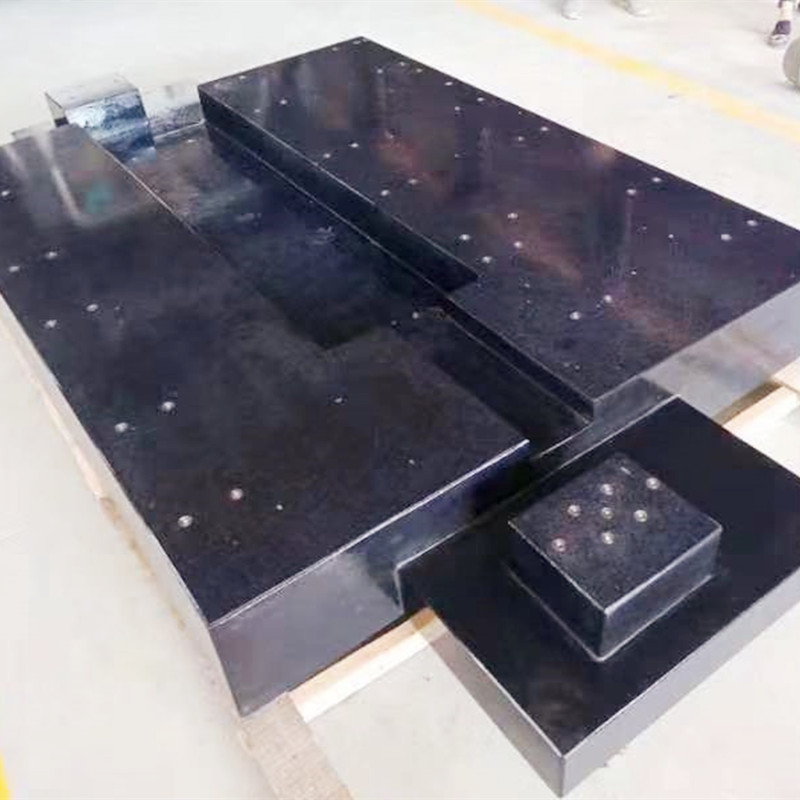
Versatile 4x6 Welding Table for Efficient Metal Fabrication and DIY Projects
Enhancing Your Workshop with a 4x6 Welding Table When it comes to welding, having the right workspac

Valve China - Leading Provider of Valve Solutions
Valve China A Gateway to Industrial Innovation Valve China has emerged as a pivotal player in the gl
Welding Fabrication Techniques and Best Practices for Efficient Projects
Understanding the Importance of Welding Fabrication Tables in the Industry Welding fabrication table
 English